10 Team Building Tips Managers Can Use This Week, Backed by Research
The most effective team building approach is small, regular practices that build psychological safety, clarity, and dependable roles, not a single big event. Managers who script meetings for equal participation, run short one-on-one check-ins focused on the individual, and close every activity with a structured debrief see the fastest gains in trust and performance. The tips below turn that research into steps you can try this week.
TL;DR:
- MIT Sloan identifies two fast psychological safety tactics: frame meetings as learning, not performance tests, and ask each person directly to contribute.
- CIPD finds team building benefits last longer when activities include teamwork training and debriefs, supported by recurring rituals every two to four weeks.
- Track meeting participation and whether teams complete debrief actions, then review monthly pulse check responses quarterly rather than after each activity.
- Remote teams should replace lost informal contact with daily two minute asynchronous check ins, a weekly agenda free social slot, and one purposeful monthly activity.
Table of Contents
- 1. Ten Team Building Tips Managers Can Use Today
- 2. How to Facilitate an Activity and Run a Useful Debrief
- 3. Why One-Off Events Fade and How to Sustain the Gains
- 4. Team Building Tips for Remote and Hybrid Teams
- 5. Building Trust Through Vulnerability and Empathy
- 6. Conflict Resolution Strategies Within Teams
- 7. Encouraging Diversity and Inclusion for Stronger Team Dynamics
- 8. Leadership Styles That Promote Effective Team Building
- 9. Aligning Individual Strengths to Team Roles
- 10. What Facilitating Retreats Has Taught Us About What Actually Works
- Where a Facilitated Retreat Fits Alongside Daily Habits
- FAQ
- Sources
1. Ten Team Building Tips Managers Can Use Today
Small, consistent habits beat one-off events because they build the conditions that make teams work: safety, clarity, and dependability. Google’s internal research on team effectiveness, known as Project Aristotle, found that psychological safety, dependability, structure and clarity, meaning, and impact are the five dynamics that separate high-performing teams from the rest, and that how a team interacts matters more than who is on it. The following ten tips translate that finding, along with guidance from MIT Sloan and the CIPD, into actions you can take in your next meeting or one-on-one.
- Frame meetings as learning problems, not performance tests. Opening a discussion with “we don’t know the answer yet” instead of “report your results” is one of two evidence-based tactics for raising psychological safety that MIT Sloan Management Review identifies, alongside structured inquiry.
- Practice structured inquiry in every meeting. Ask a direct question of each person present rather than waiting for volunteers; this is the second tactic in that same research, and it works because it removes the social cost of speaking up first.
- Run five-minute check-ins before diving into the agenda. A quick round of “what’s one thing on your mind” surfaces blockers early and signals that people matter, not just their output.
- Rotate meeting roles weekly. Give someone new the facilitator, note-taker, or timekeeper role each week so ownership and visibility spread across the team instead of sitting with one person.
- Clarify your team’s mission in one sentence. Structure and clarity is one of the five dynamics Project Aristotle found essential, so write the team’s purpose down and revisit it at the start of each quarter.
- Set team-level goals everyone can recite. Shared goals reduce the ambiguity that fuels friction, and they give you a concrete way to check whether this week’s work actually served the mission.
- Debrief every activity with three questions. Ask what happened, what we learned, and what we will try differently, a sequence drawn from the facilitator steps UC Berkeley’s People and Culture team outlines for running effective exercises.
- Hold regular one-on-ones built around individuation. Asking what matters to each person and where they need support produced larger gains in psychological safety than removing blockers alone, according to the individuation research from MIT Sloan.
- Recognize small wins out loud. A quick public mention in a team channel costs nothing and reinforces the behaviors you want repeated.
- Build short recurring rituals instead of relying on one big event. A Friday wins round or a rotating gratitude note sustains the cohesion that a single offsite cannot maintain alone.
Pro Tip: Pick one tip from this list and run it for two weeks before adding another. Stacking five new habits at once is how most team building efforts quietly die.
If you want ready-made exercises to pair with these habits, our team building activities guide has fifty you can run without extra prep.
2. How to Facilitate an Activity and Run a Useful Debrief
Running an activity well matters less than what happens after it ends. A facilitator checklist keeps the learning from evaporating the moment everyone returns to their desks.
Before the activity:
- Decide the one objective the activity serves, whether that’s trust, communication, or problem-solving.
- Set a clear time box and gather materials in advance so momentum never stalls.
- Choose who facilitates and who observes, and script the framing line you’ll use to open it.
During the activity:
- Give instructions in plain language and confirm everyone understands before starting.
- Set an explicit expectation that everyone contributes, using turn-taking prompts if needed.
- Keep to the time box and watch for who talks, who stays quiet, and who defers.
After the activity (the debrief):
- Ask what happened, without judgment or blame attached to anyone’s choices.
- Ask what we learned and what surprised us about how the team worked together.
- Ask what we’ll try differently next time, and write down one or two concrete actions with an owner attached.
This sequence mirrors the practical facilitator steps UC Berkeley recommends: prepare, explain, run, debrief, and reinforce. Groups of six to ten work best for most exercises, and a fifteen to thirty-minute window is usually enough if the debrief stays focused.
Pro Tip: Record the one or two actions from every debrief in the same document each time. A pattern of unaddressed actions tells you more than any single activity ever will.
For a longer walkthrough of running full workshops, see our guide to facilitating team workshops.
3. Why One-Off Events Fade and How to Sustain the Gains
A single offsite or workshop produces a short-lived lift in trust, and the effect fades without reinforcement. The CIPD’s evidence review on high-performing teams found that team-building benefits are strongest when activities are followed by teamwork training and debriefing, and that consistent light-touch rituals every two to four weeks help gains stick where a single big event cannot.
Keep the rituals small and recurring:
- A five-minute check-in at the start of each weekly meeting.
- A rotating “shout-out” slot where one person recognizes a colleague’s contribution.
- A monthly gratitude note shared in a team channel or during a stand-up.
A short pulse check measures whether it’s working. Ask three questions each month: do you feel comfortable raising a concern here, do you know what’s expected of you this week, and did you get help when you needed it. Track participation and follow-through on debrief actions as your behavior indicators, and review the pattern every quarter rather than every week.
4. Team Building Tips for Remote and Hybrid Teams
Remote and hybrid teams lose the informal hallway conversations and nonverbal cues that build cohesion naturally in an office, so cohesion has to be built on purpose. The CIPD review notes that virtual and hybrid teams need deliberate, ritualized practices to replace the connections that used to form by chance.
- Run a short asynchronous ritual, like a weekly thread where everyone shares one win and one challenge.
- Protect a dedicated social slot on the calendar that has no agenda beyond connection.
- Facilitate inclusively with round-robin turn-taking and a camera-optional norm so nobody is penalized for a weak connection or a noisy home.
- Build a recognition habit into your main channel so contributions remain visible without a shared office to make them obvious.
A light cadence works well: a two-minute async check-in daily, a protected social slot weekly, and one purposeful activity monthly. Our remote team building activities with scripts and metrics give you ready-to-run options for that monthly slot. A partner resource worth exploring is Gatherilla’s guide to building psychological safety, which pairs well with browser-based icebreakers for distributed teams.
5. Building Trust Through Vulnerability and Empathy
Trust grows when people see each other as whole humans, not just job titles, and that requires a deliberate invitation to be a little vulnerable. Amy Edmondson’s research on team psychological safety found that leader behaviors like non-defensive responses to mistakes and modeling fallibility are strong predictors of whether a team learns together or hides its errors.
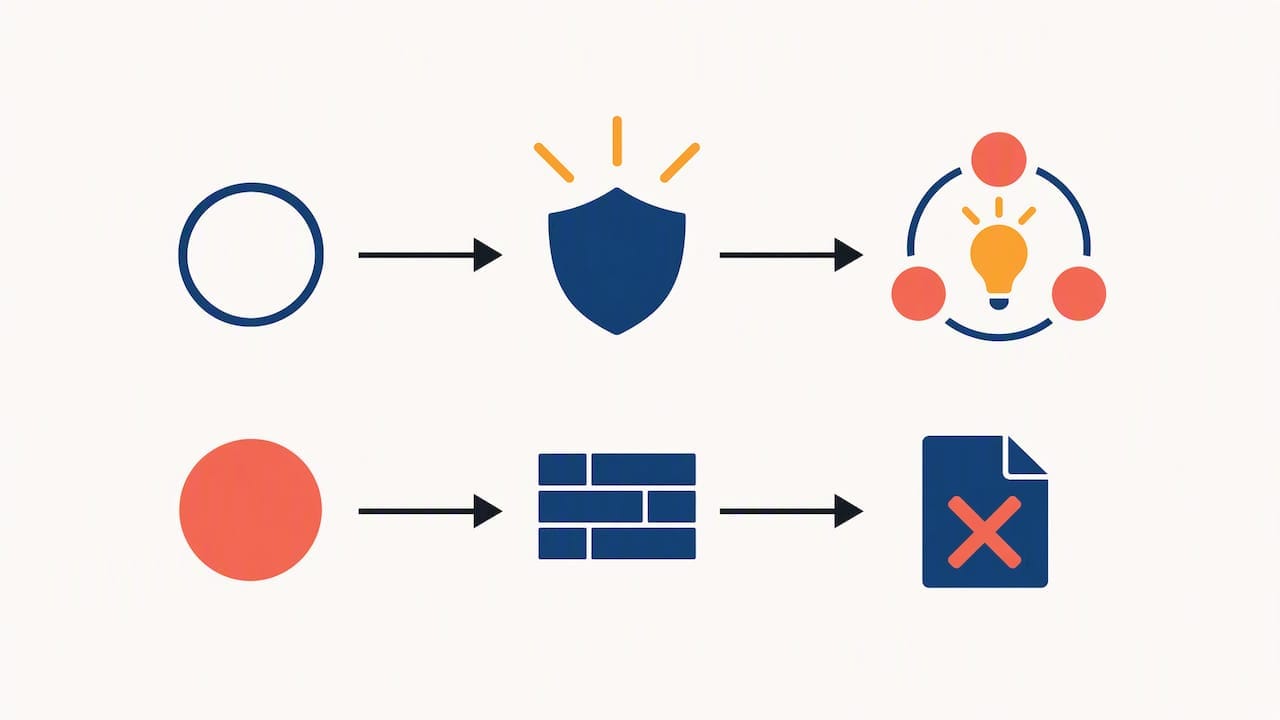
A manager who admits “I got that wrong, here’s what I’m doing differently” gives everyone else permission to do the same. That single behavior often does more for trust than any trust-fall exercise.
Practical empathy exercises work best when they’re low stakes and optional:
- A “two truths and a lesson” round, where each person shares something true about themselves and one lesson they learned the hard way.
- A values round, where team members share what they need to do their best work, tying directly into the individuation practice covered earlier.
- A simple “ask before you assume” norm, where team members check their read on a colleague’s tone or intent before reacting to it.
None of these require a retreat or special budget. They require a manager willing to go first, since vulnerability modeled from the top spreads faster than vulnerability asked of the newest hire.
6. Conflict Resolution Strategies Within Teams
Disagreement is not the problem; unresolved disagreement is. Teams with real psychological safety actually surface more conflict early, because people feel safe naming friction before it hardens into resentment.
A few practices keep conflict productive rather than corrosive:
- Separate the issue from the person. Frame disagreements around the work (“this timeline feels tight”) rather than the individual (“you’re always late”).
- Use a structured format for hard conversations. State the observation, the impact, and the ask, in that order, so the conversation stays specific instead of sprawling into generalities.
- Address it early, not in a performance review. Small friction left unaddressed for months is far harder to resolve than the same friction named within the week it happened.
- Let the manager model repair, not just raise issues. If you were short with someone in a meeting, say so directly afterward. That visible repair teaches the team what healthy conflict resolution looks like in practice.
Edmondson’s framing applies directly here: a non-defensive response to a raised concern, rather than a justification or a counter-attack, is what keeps the next concern from staying unspoken.
7. Encouraging Diversity and Inclusion for Stronger Team Dynamics
Diverse teams bring a wider range of perspectives to a problem, but that range only helps if everyone actually gets heard. Project Aristotle’s finding that interaction style matters more than individual skill is especially relevant here: a team can have enormous diversity of background and still underperform if meeting norms let the loudest voices dominate.
Practical inclusion habits:
- Use round-robin turn-taking in meetings so quieter team members get a direct opening to speak, not just an opportunity they have to seize themselves.
- Rotate who sets the agenda and who facilitates, so the same one or two people don’t define what counts as important every week.
- Ask for written input before a meeting for decisions that benefit from reflection, which helps people who think better on the page than on the spot.
- Watch who gets credited in debriefs and recognition moments, and correct the pattern if it skews toward the same few names.
Inclusion built into meeting structure costs nothing extra and tends to outperform one-time diversity training, because it changes daily behavior rather than asking people to remember a lesson from a single session.
8. Leadership Styles That Promote Effective Team Building
The manager’s own behavior is the single biggest lever on whether a team feels safe enough to build real cohesion. Edmondson’s research on psychological safety identifies coaching behavior and context support as antecedents of team learning, meaning a leader who explains the “why” behind decisions and actively coaches rather than directs builds safety faster than one who simply assigns tasks.
Styles that tend to support team building share a few traits:
- They ask more questions than they answer in team discussions.
- They treat mistakes as information rather than as grounds for blame.
- They make expectations and context explicit instead of assuming the team will infer them.
Command-and-control leadership can still move work forward in a crisis, but it rarely builds the kind of trust that survives a hard quarter. Coaching leadership, by contrast, tends to compound: the more a manager models curiosity and non-defensiveness, the more the team mirrors it back.
9. Aligning Individual Strengths to Team Roles
A team with clear roles and clear strengths-to-task matches avoids the quiet friction of people doing work that doesn’t fit them. Structure and clarity, one of the five dynamics in Project Aristotle, depends partly on this alignment: people need to know not just what the team is doing, but why they specifically are the ones doing their part of it.
A simple process works well:
- List the core tasks your team handles regularly and the skills each one actually requires.
- Ask each person directly where they feel strongest and where they’d like to grow, rather than assuming based on title alone.
- Rematch one or two tasks per quarter based on what you learn, and say out loud why the change was made.
This doesn’t require a formal assessment tool. A short individuation conversation, the same one-on-one practice covered earlier, usually surfaces most of what you need to know about where someone’s strengths actually sit.
10. What Facilitating Retreats Has Taught Us About What Actually Works
Across the retreats and bootcamps we facilitate, the sessions that stick are never the biggest ones. They’re the ones where a manager asks a real question and waits for a real answer.
Two lessons repeat often: teams that name their friction out loud resolve it faster than teams that manage around it, and recognition offered in the moment lands harder than recognition saved for a review.
Try a small experiment: pick one tip from this article, run it for two weeks, and measure one thing, like participation in check-ins, before adding the next habit.
— Amichai
Where a Facilitated Retreat Fits Alongside Daily Habits
Daily micro-practices build the baseline, and a facilitated retreat accelerates it when your team needs a concentrated reset, a strategy alignment, or a trust rebuild that daily habits alone move too slowly to fix. Our Personal Skills & Team Building Retreat is designed around the same principles covered here: structured facilitation, honest debriefs, and goals the team can actually measure afterward. If your team is weighing a dedicated offsite against building habits in-house, our business retreats and bootcamps comparison walks through which fits your situation. Reach out to talk through what your team needs and what a tailored retreat would include.
FAQ
What Are the 7 C’s of Team Building?
Definitions of the 7 C’s very across sources, but a common version includes communication, collaboration, commitment, cooperation, conflict resolution, connection, and celebration. These function as a checklist rather than a strict sequence, and most map directly onto the psychological safety and structure practices covered in this article, including the five team dynamics Project Aristotle identified.
What Are the 5 Keys to Successful Teams?
Google’s Project Aristotle research identified psychological safety, dependability, structure and clarity, meaning, and impact as the five dynamics that distinguish high-performing teams. Psychological safety ranked as the most important of the five, since it determines whether a team can openly surface the problems the other four depend on solving.
How Often Should We Run Team Building Activities?
Light, recurring practices every two to four weeks tend to sustain cohesion better than one large annual event, according to the CIPD’s evidence review on high-performing teams. Pair that cadence with weekly micro-rituals, like a check-in or a shout-out round, so the gains from any bigger activity don’t fade between sessions.
What’s the Fastest Way to Improve Psychological Safety?
Framing meetings as learning problems and practicing structured inquiry are the two fastest, most evidence-backed tactics, according to MIT Sloan Management Review. Pairing those tactics with individuation in one-on-ones, where a manager asks what matters to each person, tends to produce faster gains than focusing only on removing team blockers.
How Do We Measure Whether Team Building Is Working?
Track behavior indicators like meeting participation, follow-through on debrief actions, and responses to a short monthly pulse survey with two or three direct questions. Review the pattern quarterly rather than after every single activity, since one-off events naturally show a short-lived bump that settles once the novelty fades.
Sources
- Proven tactics for improving teams’ psychological safety (MIT Sloan Review)
- Understand team effectiveness (re:Work / Google)
- High-performing teams: An evidence review (CIPD practice summary)
- Steps to Building an Effective Team | People & Culture – UC Berkeley
- Psychological safety and learning behavior in work teams (Amy Edmondson / MIT)