Remote Destinations: How to Pick, Reach and Work From Them
A remote destination is a place where distance, access rules or missing infrastructure change how you travel. The best ones fall into three groups: places you can reach with a plane ticket and a rental car, places that need a permit, a guide or the right season, and places that only expeditions reach. This guide sorts well-known remote destinations into those groups, explains what each one demands, and shows how to prepare. It also covers what it takes to get real work done when the signal drops.
TL;DR
- “Remote” comes in three kinds: far away, hard to enter, and hard to stay in touch from. Match the destination to the kind of difficulty you can handle.
- Many remote places are open only part of the year. The Gibb River Road in Australia’s Kimberley has limited access from November to April, and Canada’s Auyuittuq National Park has a short summer season.
- Satellite communication, a registered beacon and your own water, fuel and spares are often the difference between an adventure and an emergency.
- Some places, such as Kerguelen and Heard Island, are effectively closed to ordinary tourists. Plan around what is actually open to you.
- If you work for yourself, remote travel works best with a structure. We run bootcamps in places chosen for focus and community.
Table of Contents
- What makes a place remote
- Remote destinations by how hard they are to reach
- Remote places you can reach with a ticket and some planning
- Remote places that need a permit, a guide or the right vehicle
- Expedition-level remote destinations
- Choosing the right season
- Staying connected and safe
- Our perspective: remote places and focused work
- Working and building a business from remote destinations
- A short checklist before you commit
- FAQ
- Sources
What makes a place remote
Search results for this topic are mostly lists of the farthest points on the map: islands in the southern Indian Ocean, polar stations, mountain monasteries. Distance matters, but it is only one of three ingredients.
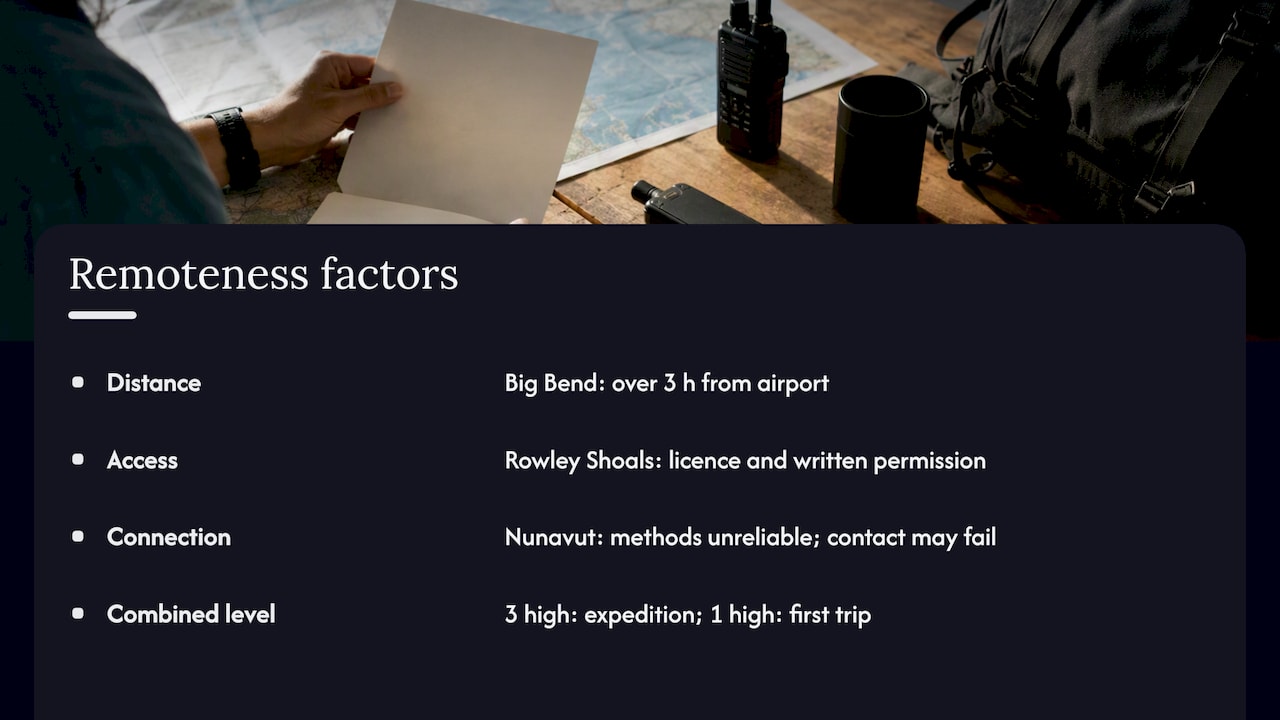
Distance. How far is the nearest airport, port or town? Texas’s Big Bend National Park is a good example of remoteness without an ocean: it sits more than three hours by road from the nearest airport at Midland, and it gets fewer than 10% of the visitors the Grand Canyon does.
Access. Some places are close to a runway but closed to casual visitors. Commercial tour operators need a licence from Western Australia’s Department of Biodiversity, Conservation and Attractions to operate in the Rowley Shoals Marine Park, and every mooring must be booked with written permission before arrival.
Connection. Can you call for help, or send a file? In Canada’s Nunavut parks, all recommended communication methods can be unreliable, and contact may not be possible at all.
A place that scores high on all three is a true expedition. A place that scores high on only one may suit a first-time remote traveler perfectly.
Remote destinations by how hard they are to reach
This table sorts the destinations covered below. It is a planning shortcut, not a ranking of beauty.
| Tier | Destination | What makes it remote | What you need |
|---|---|---|---|
| Accessible | Finnish Lapland | Arctic latitude, winter darkness | Winter activity package or self-guided plan |
| Accessible | Andasibe, Madagascar | Rainforest reserve, limited services | Park admission, local guide |
| Accessible | Big Bend, Texas | Hours from the nearest airport | Car, water, offline maps |
| Permit or guide | Easter Island (Rapa Nui), Chile | Far from the mainland | Park ticket, guide, registered lodging |
| Permit or guide | Gibb River Road, Kimberley | Unsealed road, wet season closures | High-clearance 4WD, spares, fuel |
| Permit or guide | Auyuittuq and Sirmilik, Nunavut | Arctic wilderness | Satellite phone, registered beacon |
| Expedition | South Pole, Antarctica | Polar interior | Specialist operator, five-figure budget |
| Expedition | Ross Sea | Antarctic coast | Expedition cruise from New Zealand or Australia |
| Nearly closed | Kerguelen, Heard Island | Southern Ocean | Scientific or logistical missions |
Remote places you can reach with a ticket and some planning
Finnish Lapland
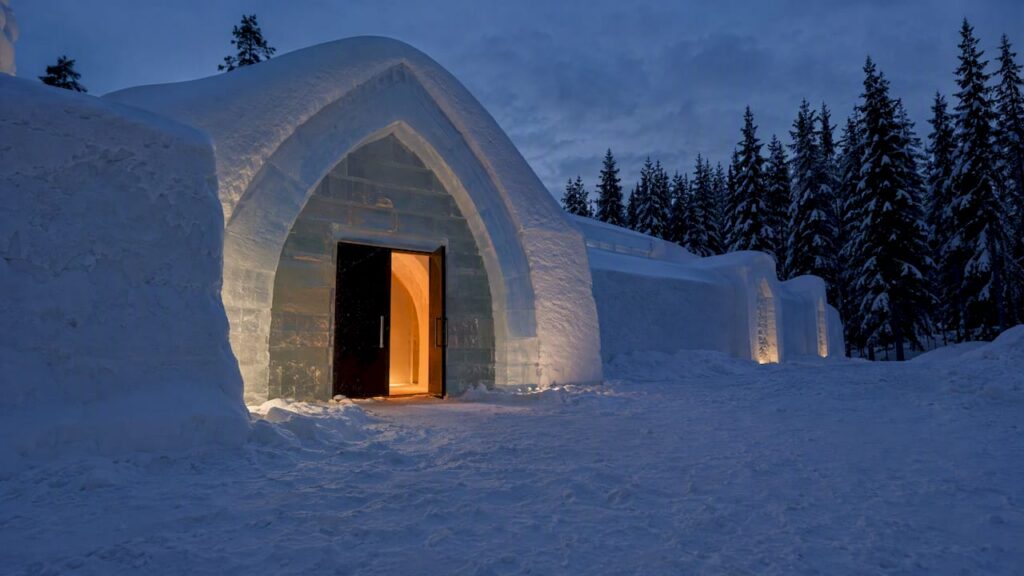
Lapland rewards winter visitors who want darkness, snow and silence without an expedition. Operators there package northern lights hunting, reindeer and husky experiences, snowmobiling, ice fishing, snow hotel visits and icebreaker cruises. Indicative prices from one Finnish provider, based on a group of four, run about €450 per adult for two days and two nights, €650 for three days, €1,200 for five days and €1,600 for seven days. Exact prices are tailored to the group, so treat them as a starting point for budgeting.
Andasibe, Madagascar
Madagascar’s forests are remote in the way that matters to wildlife lovers: you travel a long way to see animals that live nowhere else. At the SEE Madagascar visitor site, foreign-visitor admission is 40,000 ariary for adults aged 12 and over and 20,000 ariary for children under 12. The site is open daily from 09:00 to 17:00, with last admission at 16:30. Guided tours are available, translation costs extra, and nocturnal animal tours need advance booking.
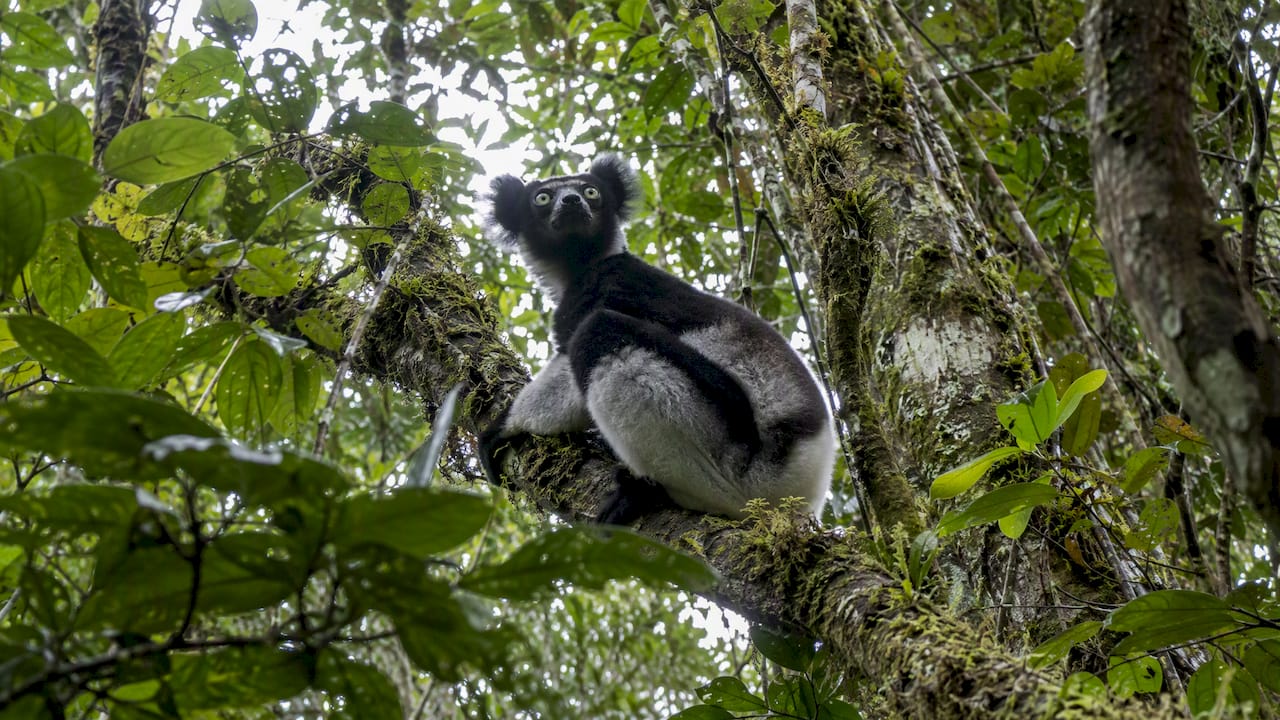
The local conservation association Mitsinjo runs guided forest circuits, night hikes, reforestation days, camping and research-station rooms in Andasibe. Its posted 2023 prices ranged from 45,000 to 80,000 ariary per person for circuits of one to five hours and 35,000 ariary for a 90-minute night hike. A tent site was 20,000 ariary a night. These are 2023 figures, so confirm current rates before you go.
One point worth understanding: conservation operators in Madagascar charge foreign visitors more than residents and direct the admission revenue toward conservation and education. Seen that way, the higher fee is part of how the place stays protected.
Big Bend National Park, Texas
For US readers, Big Bend proves you do not need a passport to feel remote. The drive is long, services are thin and the crowds are a fraction of those at the best-known parks. Fill the tank, download offline maps and bring more water than you think you need.
Remote places that need a permit, a guide or the right vehicle
Easter Island (Rapa Nui), Chile
Easter Island is a Chilean island and UNESCO World Heritage destination known for its moai statues. According to a tourism guide to the island, entering the archaeological sites requires a national park ticket and a guide, and visitors boarding in Santiago must show confirmation of registered lodging. Rules like these change, so verify them with Chilean official channels before you book flights.
The Gibb River Road, Western Australia
This unsealed route across the Kimberley is an adventure in its own right. The local visitor guide recommends high-clearance 4WD vehicles and says access is limited from November to April, during the wet season. The road historically opens in its entirety in early May, depending on the weather. The same guide advises carrying spare tires, a portable air compressor, your own water and extra fuel, because phone services are very limited and coverage is not guaranteed.
Rowley Shoals Marine Park, Western Australia
The Rowley Shoals are a reef system far off the Australian coast. Independent boaters and commercial operators alike must plan around mooring permission, as noted above. If you are traveling with a charter, ask the operator whether its licence and mooring bookings are in place.
Auyuittuq and Sirmilik, Nunavut
Parks Canada’s 2026 visitor information for Auyuittuq puts the summer season at late July through mid-September. Multi-day winter travel is not advisable and can be dangerous or impossible because of cold, near-constant darkness and access difficulties. Communication gear matters here: satellite phones, satellite messengers and emergency radios are all options, and all can fail.
Expedition-level remote destinations
The South Pole
The geographic South Pole is at 90°S, where all lines of longitude converge. Getting there is a logistics project. One specialist operator says guests fly 2,400 km in about five hours to a camp, then about two more hours to the Pole. Its Long Stay, which includes an overnight at the Pole, is listed at US$110,500 in the late season. Another operator lists a 10-day expedition from Punta Arenas at US$75,500 per person. That price covers transfers, round-trip flights to Antarctica and the Pole, an overnight at the Pole, meals, tented accommodation and guides. It excludes commercial flights to Punta Arenas, hotel nights there, personal equipment, insurance and delay costs.
Read the exclusions line by line. On trips like this, the extras can add thousands to the headline figure.
The Ross Sea
If the Pole is out of reach, expedition cruises to the Ross Sea depart from New Zealand or Australia and sometimes include landings near McMurdo Station. Travelers cannot stay at McMurdo itself.
Kerguelen and Heard Island
The Kerguelen Islands, sometimes called the Desolation Islands, lie in the southern Indian Ocean about 1,865 miles from Madagascar. They have volcanic cliffs, king penguins and elephant seals. Kerguelen is one of the five districts of the French Southern and Antarctic Lands, which have no permanent population and whose administration handles sovereignty, scientific research support, biodiversity preservation and logistics. In practical terms, this is a place you read about rather than book.
Australia’s answer to the question of its most remote spot is similar. Heard and McDonald Islands sit nearly 4,000 km from the mainland in the Southern Ocean with virtually no public access. Heard Island has had only about 240 recorded visits in history, almost all of them scientific expeditions.
Choosing the right season
The single most common mistake with remote travel is arriving when the place is closed or dangerous.
- Road-based regions can close with the weather. The Gibb River Road’s wet season is the clearest case.
- Arctic parks have a narrow summer window. In Auyuittuq it runs from late July to mid-September.
- Polar expeditions run only in the austral summer, and operators publish seasons by itinerary.
- Wildlife destinations shift with breeding and migration. Ask park authorities, not just operators.
Book flexibility where you can. Remote itineraries are the first to slip when weather turns, so build a buffer day or two on each end.
Staying connected and safe
The lesson from park agencies is consistent: carry more than one way to call for help, and know how each works before you leave.
- Choose the right device. In Sirmilik National Park, satellite phones are the preferred means of contact, and phones using the Iridium system give the most reliable coverage. Satellite messenger coverage may be poor there.
- Register beacons. Personal locator beacons carried into Canadian national parks must transmit at 406 MHz and be registered with the Canadian Beacon Registry.
- Handle SOS buttons carefully. Parks Canada notes that accidental SOS activations have caused unnecessary search and rescue operations in Nunavut national parks.
- Carry your own supplies. Water, fuel, spare tires and an air compressor are standard on remote roads.
- Tell someone your plan. Leave an itinerary and a check-in time with a person at home.
If you have a medical condition, see your doctor before any trip where evacuation could take days, and confirm that your insurance covers remote evacuation.
Our perspective: remote places and focused work
We spend our days with people who want to build businesses and live with more freedom, so we think about remote destinations differently from a travel list. A remote place is not automatically a productive one. Silence helps you think, but the first week of a long trip usually goes to logistics, jet lag and distraction.
What works, in our experience running bootcamps in different destinations, is pairing a place that removes distraction with a structure that makes the days count: a clear goal, daily accountability, mentors who have done it and a peer group that expects you to show up. Community matters more than scenery. A founder alone in a beautiful cabin often does less than a founder in a room of eight people who ask what they shipped yesterday.
We also think the honest limit applies: the most extreme destinations above are poor places to build a business. If you need to run client calls or launch an offer, choose a place with a reliable connection and a rhythm you can keep. Save the polar trip for the milestone you will celebrate afterward.
— Amichai
Working and building a business from remote destinations
Most remote professionals do not need the South Pole. They need a place that feels removed from daily noise but still has electricity, internet and people. If that sounds like you, our guide on working from anywhere without losing momentum covers routines, tools and the planning habits that keep projects moving while you travel.
If you want structure and company, our in-person entrepreneurship bootcamps combine hands-on workshops, mentorship and a peer community in places chosen for focus:
- 1-week bootcamp in Agaete, Canary Islands: €400 registration fee
- 10-day bootcamp in Pipa, Brazil: €400 registration fee
- 2-week bootcamp in Playa Venao, Panama: €400 registration fee
- Entrepreneurship Sprint Bootcamp in Lisbon: €1,350 at Idea Space, or €1,500 at Second Home
- Online Business Bootcamp: €500, and a 5-Day Online AI Bootcamp at €300, if you would rather start from where you are
See the upcoming bootcamps for current locations and dates, or read what to expect from the program. Not sure it is worth traveling for? Here is why people join an entrepreneurship bootcamp.
For teams
Companies use remote settings for the same reason: fewer interruptions and more honest conversation. We design retreats end to end, from workshops to logistics, and you can explore business retreat ideas for remote teams or compare retreats and bootcamps before you decide.
A short checklist before you commit
- Confirm entry rules and permits with the official park or government body, not only the tour seller.
- Check the season, and keep a weather buffer in the schedule.
- Read what a price excludes: flights to the departure city, insurance, equipment and hotel nights are common extras.
- Pack two ways to call for help, and learn how to use them.
- Download maps, documents and tickets offline.
- Decide what work, if any, you must do. If it is anything with a deadline, choose a place with a dependable connection.
FAQ
Where are some of the most remote places in the world?
The Kerguelen Islands in the southern Indian Ocean, the South Pole, Heard Island and Easter Island appear on most lists. Some, like Easter Island, welcome visitors with the right tickets and guides. Others, like Kerguelen and Heard Island, are tied to scientific and logistical missions.
What is the most remote spot in Australia?
Heard and McDonald Islands, nearly 4,000 km from the mainland in the Southern Ocean, are widely described as Australia’s most remote territory. Public access is virtually nonexistent, and Heard Island has had only about 240 recorded visits.
Can I visit a remote destination without an expedition budget?
Yes. Big Bend National Park in Texas, Finnish Lapland in winter and Madagascar’s forest reserves are far from the crowds, and their admission or package costs are a small fraction of a polar trip. Plan for the long drive or flight, and bring your own supplies where services are thin.
What should I carry for safety in a place with no phone coverage?
A satellite phone or a registered personal locator beacon, plus water, extra fuel and spares if you are driving. Parks Canada says every communication option can be unreliable, so tell someone your route and check-in time before you leave.
Sources
- The Most Remote Places on Earth You Can Actually Visit (Condé Nast Traveler)
- 15 best places to go off-grid around the world (Lonely Planet)
- Rowley Shoals and Mermaid Reef marine parks visitor guide
- Winter Activity Packages (Book Lapland)
- Visitor Info (SEE Madagascar)
- Association Mitsinjo
- Easter Island Travel
- Auyuittuq National Park 2026 Visitor Information Package
- Sirmilik National Park 2026 Visitor Information Package
- The Long Stay (White Desert)
- Overnight at the Geographic South Pole (Waterproof Expeditions)
- Terres australes et antarctiques françaises (TAAF)
- Australia’s most remote territories and how to visit them
Comments are closed.